
"coffee tree roots"
1000 article(s) found

Coffee trees are planted! Coffee Tree Killer: the chaos of Diseases and insect pests (pests)
Professional coffee knowledge exchange more coffee bean information Please pay attention to the coffee workshop (Wechat official account cafe_style) diseases and insect pests can destroy the growth of coffee, a serious epidemic may cause heavy economic losses to farmers, but do you know what pests and diseases are the biggest threat to coffee? How to identify these pests and diseases? What causes coffee disease or attracts pests? Coffee

Coffee bark beetle is the most serious pest in Colombia. It also has an impact on the environment.
Professional coffee knowledge exchange more coffee bean information Please pay attention to the coffee workshop (Wechat official account cafe_style) short-bodied nematodes can directly enter the roots of coffee, live in the roots, and invade the alien tissue, and finally cause the death of plants. The mortality rate of robusta infected with short-body nematode is about 40%, while that of Arabica infected with short-body nematode is 100%. Short body line

How to grow small grains of coffee in Baoshan, Yunnan? can we grow good coffee beans in China?
Professional coffee knowledge exchange more coffee bean information please pay attention to the coffee workshop (Wechat official account cafe_style) 1, the environmental conditions required by small Coffee Coffee is native to Ethiopia in north-central Africa, located in 69 N, 3440 E, 13001900m above sea level, precipitation 16001900mm, annual average temperature 20 ℃ lower layer of tropical rain forest. In the long-term process of evolution
Cultivation of Coffee Tree Seedling how to raise Coffee Tree
Tree name: coffee family: the morphological characteristics of evergreen trees of the subgenus Rubiaceae Coffee is a perennial evergreen shrub or small tree of Rubiaceae. It is a horticultural perennial cash crop with the characteristics of fast growth, high yield, high value and wide market. Wild coffee trees can grow up to 5 to 10 meters tall, but coffee trees planted on the manor, in order to increase fruit and facilitate harvesting
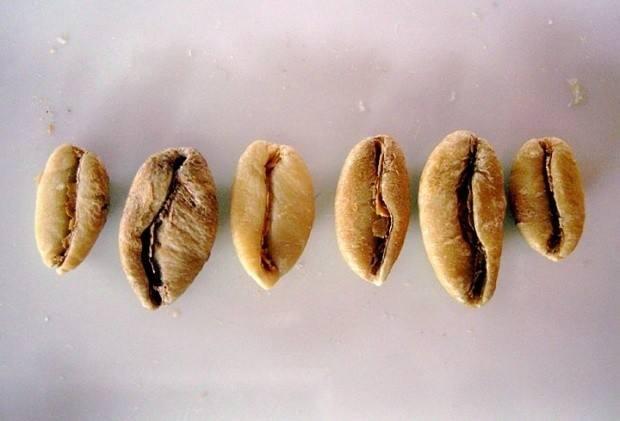
The third forgotten breed: boutique Rabia Coffee? Liberica, is the coffee good?
Professional coffee knowledge exchange more coffee bean information please follow the coffee workshop (Wechat official account cafe_style) the most common varieties in the coffee industry are Arabica and Robsta, but there is also coffee from Liberia (C. liberica), which is often forgotten by the public, and this variety is often recognized by the boutique coffee industry as "bitter, metallic and woody" coffee, so that it is not to be

How should the planting conditions of coffee trees be planted?
Coffee is one of the three biggest drinks in the world, but do you know how it is grown? The important condition of coffee cultivation has a noun called coffee belt. There are more than 60 coffee producing countries in the world, most of which are located in the tropics and subtropics between the Tropic of Cancer (latitude 2326). This coffee growing area is called coffee belt (Coffee Belt) or coffee zone (

Where is the largest coffee producing area? Altura Coffee, Mexico
Soil conditions are also crucial. Coffee trees belong to shallow root plants, and the soil is rich in organic matter (with strong fertility), rich in water vapor (and smooth drainage), deep soil layer (usually above lm) and weakly acidic (the soil pH value of coffee planting in Yunnan, China is generally between 5.5 and 6.5). Guatemala, Brazil, Colombia, and Xavier in the United States
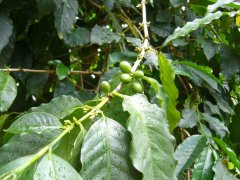
Coffee planting technology: how to make coffee trees grow up quickly? Improve the success rate of planting?
Professional coffee knowledge exchange more information about coffee beans Please follow the coffee workshop (Wechat official account cafe_style) what are the fruits and seeds of coffee? The coffee tree is a tropical plant that belongs to an evergreen shrub that grows at the equator and 25 degrees north and south latitudes, that is, within the Tropic of Cancer. Near the Tropic of Cancer and the equator is the world coffee.

Characteristics of Yunnan small-grain Coffee introduction to the flavor description and treatment of Huaguoshan coffee
Yunnan small-grain coffee beans introduce that the growth and development of coffee is closely related to the climatic and environmental conditions. In the areas where the wind is strong, the temperature is high, the light is strong, and the soil is easy to dry, the axillary buds of plant branches tend to differentiate into flower buds, and the growth of branches is small, which is easy to cause premature senescence. Therefore, it is necessary to choose a place with quiet wind, high humidity and short light as a garden. Small coffee is a plant that needs water and is afraid of too much water.

How to tell if the coffee has gone bad?
Instant coffee identified as Rubiaceae shrub, coffee tree fruit seeds, semicircular grooves, stir-fried coffee powder, brown has a special aroma, coffee powder can be drunk after boiling, such as the juice will be concentrated and then dried into instant coffee. Fake coffee is mixed with chicory root powder in real coffee, or roasted and crushed grains and beans. Real coffee contains caffeine and has

How to tell if the coffee has gone bad?
Instant coffee identified as Rubiaceae shrub, coffee tree fruit seeds, semicircular grooves, stir-fried coffee powder, brown has a special aroma, coffee powder can be drunk after boiling, such as the juice will be concentrated and then dried into instant coffee. Fake coffee is mixed with chicory root powder in real coffee, or roasted and crushed grains and beans. Real coffee contains caffeine and has

Production conditions and soil Management of Coffee trees
Coffee trees-production conditions Coffee trees Coffee Tree Atlas 1. Planting conditions of coffee trees the ideal planting conditions for coffee trees are: the temperature climate is between 15 and 25 ℃, and the annual rainfall must reach 1500 to 2000 mm. At the same time, the rainfall time should be in line with the flowering cycle of coffee trees. Of course, in addition to the seasonal rainfall, there should be fertile soil.

Coffee planting and cultivation techniques Arabica coffee how to plant coffee seeds and how to grow into trees
Professional coffee knowledge exchange more coffee bean information please follow the coffee workshop (Wechat official account cafe_style) A coffee tree bears fruit several times a year. Coffee tree is a kind of plant that is very sensitive to climate, sunshine, Rain Water and soil. when a coffee bean sprouts up and takes root in the soil, it will squeeze the bean out of the soil.

Coffee varieties quality large seed-coffee classification varieties and characteristics
Coffee varieties quality large seed-coffee classification varieties and characteristics of young trees refers to the period from planting to production, about 2-3 years. The main characteristic of this period is vigorous vegetative growth, 6-8 pairs of branches can be drawn every year, with roots, stems and leaves growing as the center, and the above-ground and underground parts expand rapidly to form ideal plant structure and prepare for production. Primiparous period refers to the beginning of labor

What are the conditions for growing coffee? What are the cultivation methods of coffee trees? When to fertilize?
Professional coffee knowledge exchange more information about coffee beans Please follow the coffee workshop (Wechat official account cafe_style) what are the fruits and seeds of coffee? The appearance of coffee beans the coffee tree should not need special care, but the sunshine should be sufficient and there should be no lack of water. 1. The basic cultivation environment and management of coffee climate and native coffee are mainly limited by temperature.
What is organic coffee? What are the characteristics of organic coffee cultivation technology?
Organic coffee is coffee that does not use synthetic pesticides, herbicides or chemical fertilizers during its growth. These ways of growing coffee are conducive to maintaining a healthy environment and keeping the groundwater pure. After the coffee is harvested, be sure to use an organically certified roaster to process the coffee beans. Organic coffee is made of beans grown in the shade of trees.

Which kind of small seed seeder is good for large seeds of coffee beans?
Coffee beans large seed small seed seeder seed selection Coffee mother tree fully mature, fruit shape is normal, full, the same size, with two seeds of fruit. To remove the peel of the selected fruit, you must be careful to prevent the seeds from being damaged and affect the germination rate, then put the peeled seeds in a ventilated and cool place to dry, and the seed shell can be stored after whitening.

Where can I plant coffee trees in China? Can I plant potted coffee trees at home? How do you plant it?
For more information on coffee beans, please follow the coffee workshop (official Wechat account cafe_style). Coffee trees have long been planted in Yunnan, China. The earliest coffee recorded in history is the planting of China's first coffee tree in Taiwan in 1884. In the tenth year of Guang Xu of the Qing Dynasty (AD 1884), a British tea merchant found that the climate of Taiwan was very similar to that of Central and South America.

The importance of coffee shade trees the benefits of coffee shade trees
Professional coffee knowledge exchange more coffee bean information Please pay attention to the importance of shade trees in coffee in the coffee workshop (Wechat official account cafe_style) in this era of climate change, shade trees are undoubtedly very important in coffee cultivation. Their umbrella awnings provide shade, relieving the high temperatures and pressures that lead to miscarriage of flowers and fruits. The shade also provides a lot of its
Conditions for growing coffee trees
Coffee cannot be grown in any environment, because it is originally a tropical rainforest plant, and in the development of the system, it develops habits that require calm wind, warm, shade or semi-shade and humid environments. We call the strip of area on both sides of the equator, between 25 degrees north and south latitude, suitable for the growth of coffee trees coffee belt.